

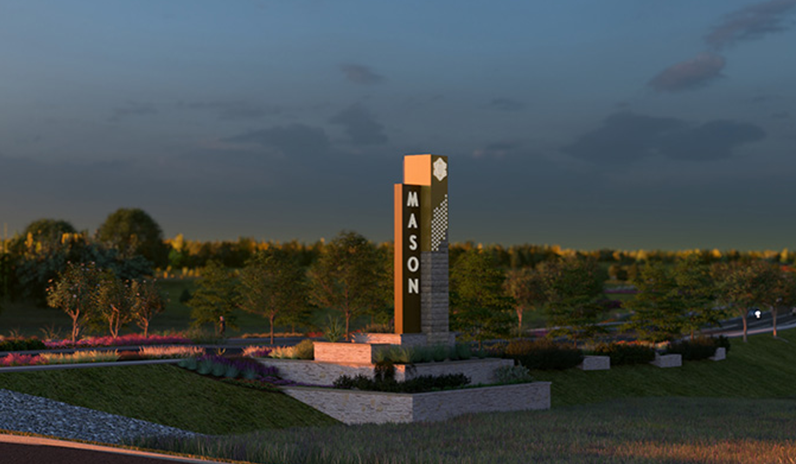
Qualico Communities Austin brings sustainability to the forefront in Mason community
Summary
- Qualico Communities Austin is integrating sustainability into multiple aspects of its Mason community.
- More than 100 acres of native open space, reclaimed water infrastructure for irrigation, and a beekeeping initiative are helping advance sustainability.
- Phase 1 paving was completed in September 2026, marking a key milestone in the community’s growth.
San Marcos, TX – Qualico Communities Austin is embedding sustainability into its development of Mason, guiding the community’s growth from the ground up.
From innovative water conservation measures to pollinator-friendly open spaces and resident education programs, planning in Mason reflects a commitment to creating communities that work alongside the natural environment.
As water poses environmental challenges in many Texas communities, Qualico Communities has made its conservation a key priority throughout Mason’s development.
“Water supply in Texas has been an extremely sensitive issue for a few years now,” said Brandon Reinhart, Senior Land Development Project Manager, Qualico Communities, Texas. “We aim to build market-leading communities that complement their natural setting, and sustainability is key to achieving that goal.”
 Originally, plans called for an onsite wastewater treatment plant that would provide irrigation water for the community’s green spaces. Through collaboration with the City of San Marcos and other local developers, the team instead pursued a regional wastewater solution while investing in infrastructure that would deliver reclaimed water directly to Mason.
The result is a reuse water system that will irrigate the community’s greenbelts and landscape areas without drawing upon valuable potable water supplies, transforming a waste product into a useful resource while reducing long-term operating costs for the homeowner association.
Supporting biodiversity through native landscapes and pollinators
Sustainability efforts at Mason extend beyond water conservation.
More than 100 acres of greenbelts and open space, representing nearly one-third of the community, will be planted with native species selected in coordination with the Native Plant Society of Texas. These plants require minimal irrigation, support pollinators, and are better suited to local growing conditions.
Another key feature are honeybee hives and structures for native mason bees – which inspired the community’s name – placed around the community to help nature thrive.
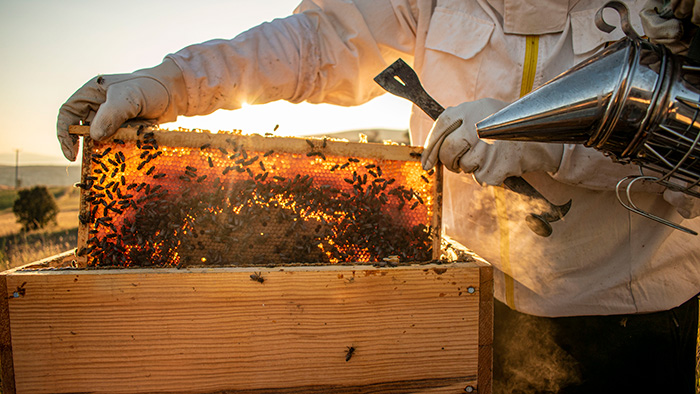
“In larger, master-planned communities, we’re always looking to implement sustainability features if they can be achieved practically,” said Kevin Fleming, Vice-President, Qualico Communities Austin. “The beehive initiative sprung from Qualico’s larger purpose of helping build better cities. The project team believed that sustainability best demonstrated this goal while embracing values appreciated by those who choose to live in our communities.”
Working with bee specialists and land planners, the project team carefully selected locations for the hives within larger open-space areas away from key recreational amenities, helping create a safe environment for community residents and pollinators alike.
In the future, residents will also have opportunities to engage directly with the initiative through honey tastings, educational demonstrations, annual honey distributions, and information sessions on pollinator-friendly gardening practices.
Sustainability continues as construction progresses
While environmental stewardship remains a defining feature of Mason, the community is also reaching important development milestones.
Phase 1 paving was completed during the first week of September 2026, clearing the way for first builder closings in late October and show home openings in spring 2027.
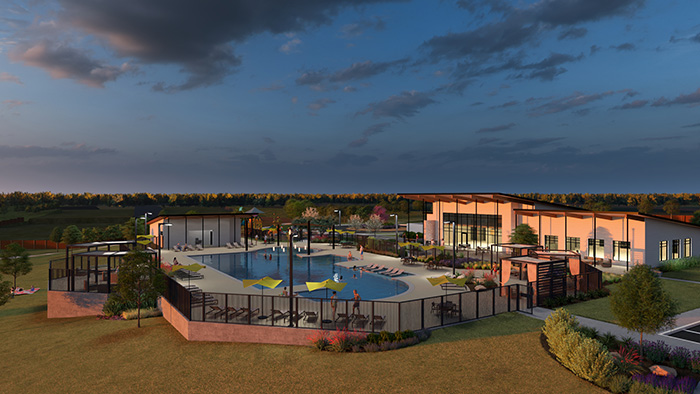
As future phases move forward, sustainability initiatives will continue to play a role in community design. Phase 2 plans include an amenity facility featuring solar panels to help reduce operating costs and provide backup power during electrical outages.
Combined with more than four miles of trails and a range of planned recreational amenities, those natural spaces will help ensure sustainability remains a visible and meaningful part of everyday life in the community.
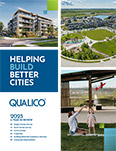
Published: February 2026
Published: February 2025
Published: February 2024
Published: February 2023

Published: January 2024

Published: June 2021
Published: February 2026
Published: February 2025
Published: February 2024
Published: February 2023
Published: January 2024
Published: June 2021